
Nursery Comparison Checklist for New Parents in the UK (2026 Guide)

Choosing a nursery in the UK can feel like a mix between applying for school, flat-hunting and hosting a toddler-themed detective mission. Prices vary wildly, reviews can be conflicting, and every nursery seems to describe itself as “a warm and stimulating environment” — which may or may not be true depending on the day you visit.
As parents, we all want the same thing: a safe, loving place where our children can grow, play, learn and (hopefully) nap. And with so many comparison websites helping parents compare nursery prices and reviews in the UK, it’s easier than ever — but still overwhelming.
That’s where this checklist comes in. It’s honest, practical, and written by a parent who has done the tours, asked the awkward questions, and seen the room where 12 toddlers apparently “rest peacefully” at the same time. (Sure.)
Use this guide before, during and after your nursery visits to help you compare options confidently — and maybe even laugh a little in the process.
1. Prices, Fees & Funding
Because childcare shouldn’t cost more than a mini mortgage — yet somehow, it often does.
Before falling in love with a nursery’s wooden toys, sensory stations and adorable tiny chairs, check the fees. Some nurseries share prices openly; others guard them like state secrets. Comparing nursery prices in the UK is essential so you don’t end up budgeting based on hope instead of numbers.

Checklist:
- ☐ Are prices clearly displayed without needing to “request a brochure”?
- ☐ What’s included — meals, snacks, nappies, wipes, trips?
- ☐ Are there add-ons hiding in the small print?
- ☐ Do they offer 15 or 30 hours funded childcare?
- ☐ Does the funding reduce your cost realistically or only slightly?
- ☐ How big is the deposit, and is it refundable?
- ☐ Do the monthly costs fit your real-world family budget (not the imaginary one)?
2. Ofsted Rating & Quality
Helpful, yes. The full story? Not always.
Ofsted ratings give you a sense of quality and safety, but the real gems are in the written report. A nursery may be “Good” overall but have incredible strengths in learning or emotional development — or vice versa.
Read the summary with an open mind, and always trust your instincts from the actual visit.
Checklist:
- ☐ What is the most recent rating?
- ☐ Do the strengths and weaknesses match what you observed?
- ☐ Has the nursery improved or declined in recent years?
- ☐ Is leadership stable and confident?
- ☐ Are safeguarding practices clearly explained and well implemented?
3. Staff, Ratios & Stability
The people who shape your child’s day — and mood — more than you do during working hours.
A beautiful nursery means nothing without warm, patient, consistent staff. Watch how educators interact with children, how they handle chaos, and how children react to them. You’ll learn more from five minutes of observation than from any brochure.

Checklist:
- ☐ Do staff seem kind, calm and genuinely engaged?
- ☐ What are the staff-to-child ratios throughout the day?
- ☐ How long have staff worked there? High turnover = instability.
- ☐ Do children look comfortable and happy around the team?
- ☐ Did someone immediately give you “I trust you with my child” energy?
4. Daily Routine & Learning Approach
Every nursery has its own “special sauce” — EYFS, Montessori, Reggio, Forest School, or a little blend of everything.
Look for an environment where structure meets play. Children need guidance but also freedom to explore, experiment and occasionally paint their entire arm blue (it’s part of the journey).

Checklist:
- ☐ Which learning approach do they follow, and does it align with your values?
- ☐ What does a typical day look like?
- ☐ Do they go outside daily, even in the rain?
- ☐ Are activities age-appropriate, fun and stimulating?
- ☐ Is the atmosphere calm, organised and emotionally supportive?
5. Communication With Parents
Because “How was their day?” shouldn’t be answered with “Fine.”
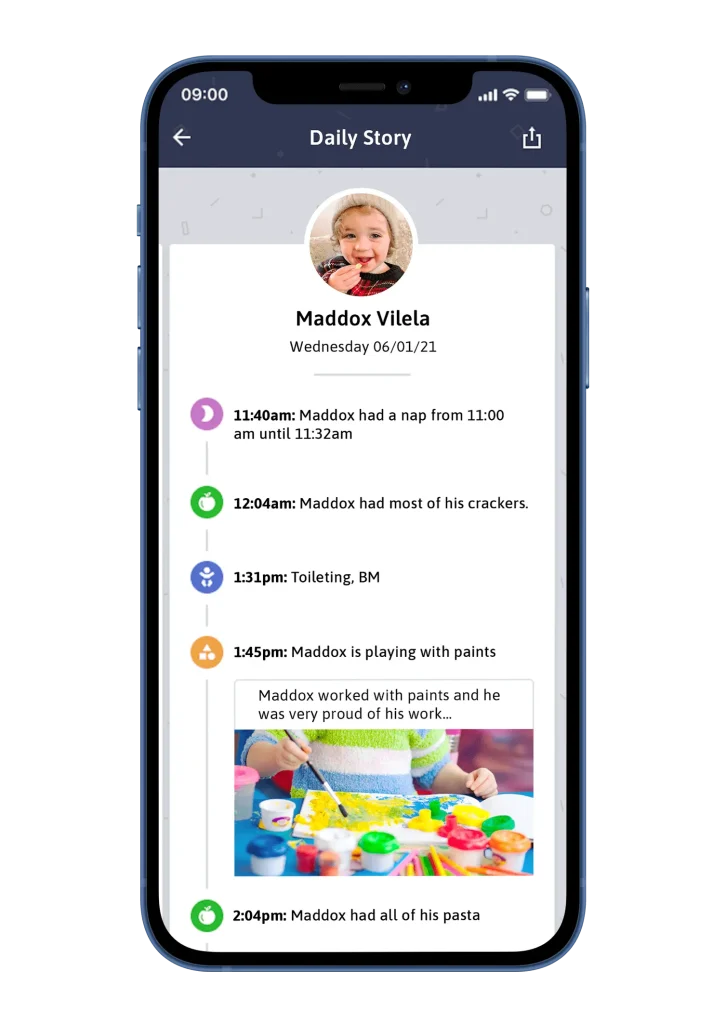
Great nurseries keep parents in the loop. Whether it’s via app updates, photos, voice notes, or quick chats, communication matters — especially when your child can’t tell you everything yet.
Checklist:
- ☐ Do they use a good parent app or daily journal?
- ☐ How often do they send photos or updates?
- ☐ Are staff approachable during drop-off and pick-up?
- ☐ Do they respond well to concerns?
- ☐ Do you feel seen and heard as a parent?
6. Safety, Cleanliness & Environment
The part where every parent goes into detective mode.
From entry systems to floor cleanliness and from outdoor safety to nap spaces, trust your instincts. If anything feels unsafe or chaotic, it’s worth asking questions.
Checklist:
- ☐ Are entry and exit procedures secure?
- ☐ Are play areas clean but still child-friendly (not museum-level perfect)?
- ☐ Is equipment well-maintained and safe?
- ☐ Is the outdoor space supervised and age-appropriate?
- ☐ How are naps, allergies, meals and medication handled?
7. Food, Allergies & Health Policies
Because your child deserves more than beige food and confusion.
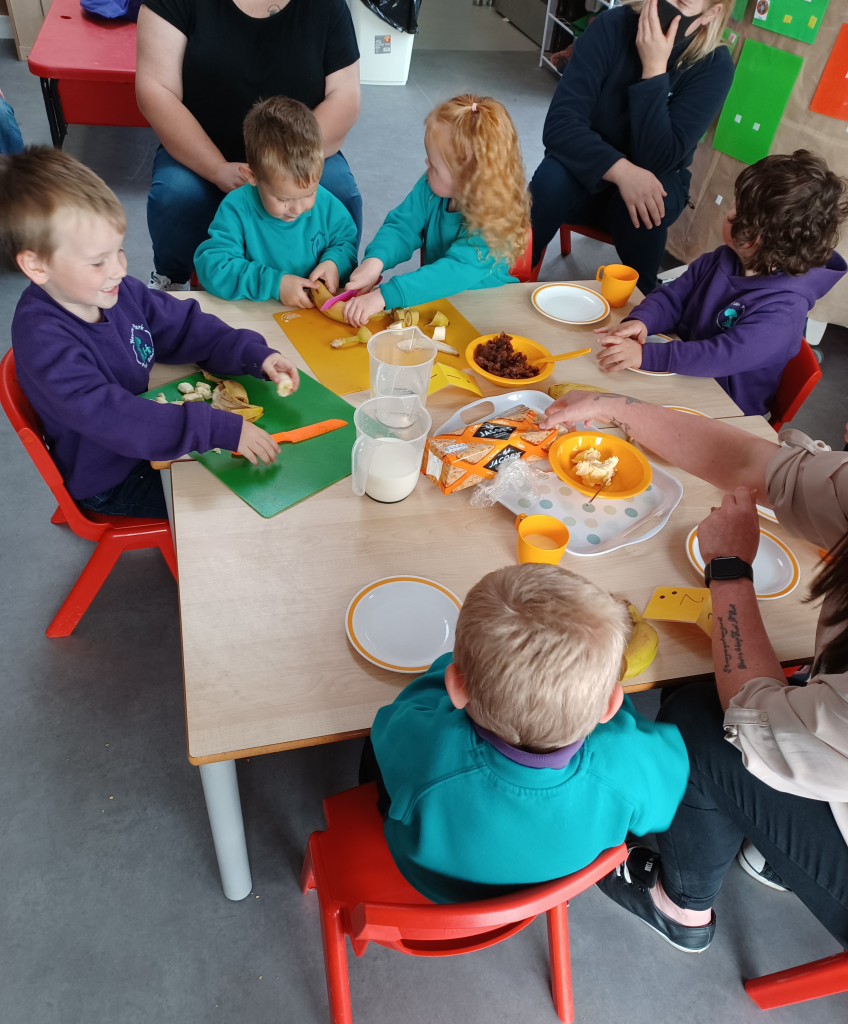
Food tells you a lot about a nursery’s priorities. Ask to see a sample menu. Notice how they handle allergies or dietary restrictions. Clear health protocols show a well-managed team.
Checklist:
- ☐ Are meals nutritious and prepared safely?
- ☐ Do they accommodate allergies confidently?
- ☐ What is the sickness and medication policy?
- ☐ Do children enjoy mealtimes?
- ☐ Do they handle hygiene appropriately?
8. Emotional & Social Wellbeing
The heart of early years care — and often the real deal-breaker.
Watch how children play. Notice how staff comfort children who are upset. Look at the general mood of the room. Happy children don’t lie.
Checklist:
- ☐ Do children look genuinely happy, curious and engaged?
- ☐ Are upset children comforted gently and patiently?
- ☐ Are children encouraged to build friendships?
- ☐ Does the nursery promote kindness and independence?
- ☐ Does your child show interest during the visit?
9. Reputation, Reviews & Local Feedback
Because parents talk — and they’re usually honest.
Use nursery comparison websites, Google reviews, local Facebook groups, and Mumsnet to gather real opinions. Look for consistent themes, not one-off complaints.
Checklist:
- ☐ Are reviews consistent across multiple platforms?
- ☐ Do other parents recommend the nursery?
- ☐ Has the nursery won any awards?
- ☐ What is their reputation in your local area?
- ☐ Do you feel more confident or more confused after reading reviews?
10. Practical Life Stuff That Really Matters
The boring but essential things that determine your daily sanity.
Checklist:
- ☐ Is the location convenient for your commute?
- ☐ Do opening hours match your work schedule?
- ☐ Is there parking or easy drop-off access?
- ☐ Is there pram or car seat storage?
- ☐ How long is the waiting list? (Apply early… earlier than you think.)
Final Gut Check — The One That Matters Most
After touring several nurseries and comparing prices, reviews, and reports, ask yourself:
- Did the nursery feel warm and safe?
- Did I trust the staff immediately?
- Can I imagine my child being happy here?
- Does the cost make sense for our family?
- Did my gut whisper “yes”?
Because at the end of the day, you know your child better than anyone — and the right nursery will feel right.
